


Work from Home vs. Return to the Office: Key Takeaways from Work&Share’s Battle of the Month
Introduction: The Great Debate – Work from Home vs. Return to the Office
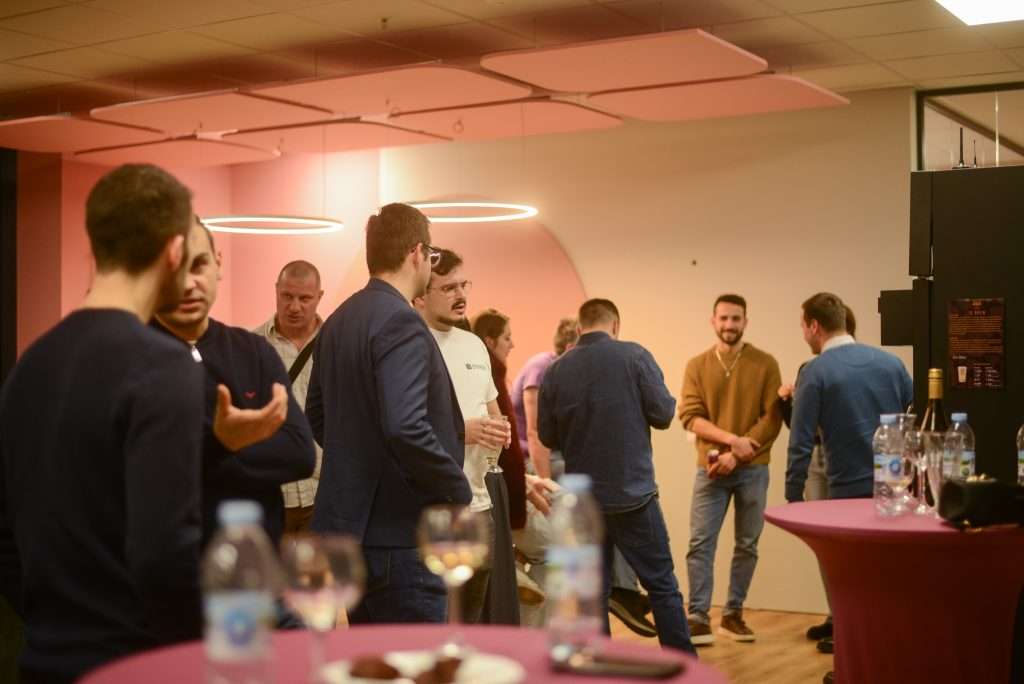
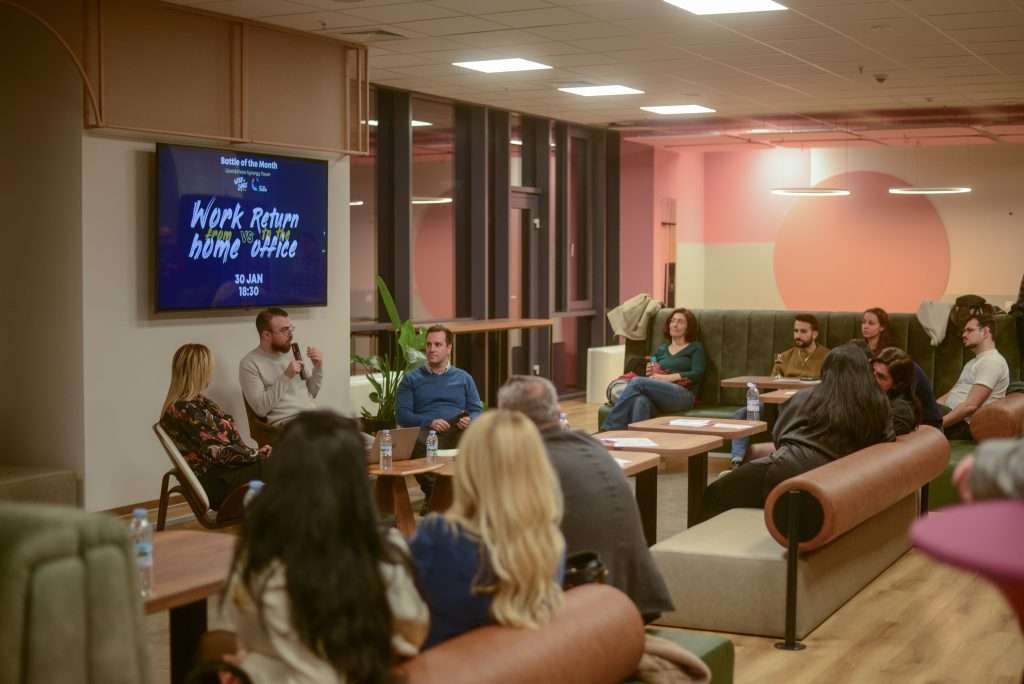
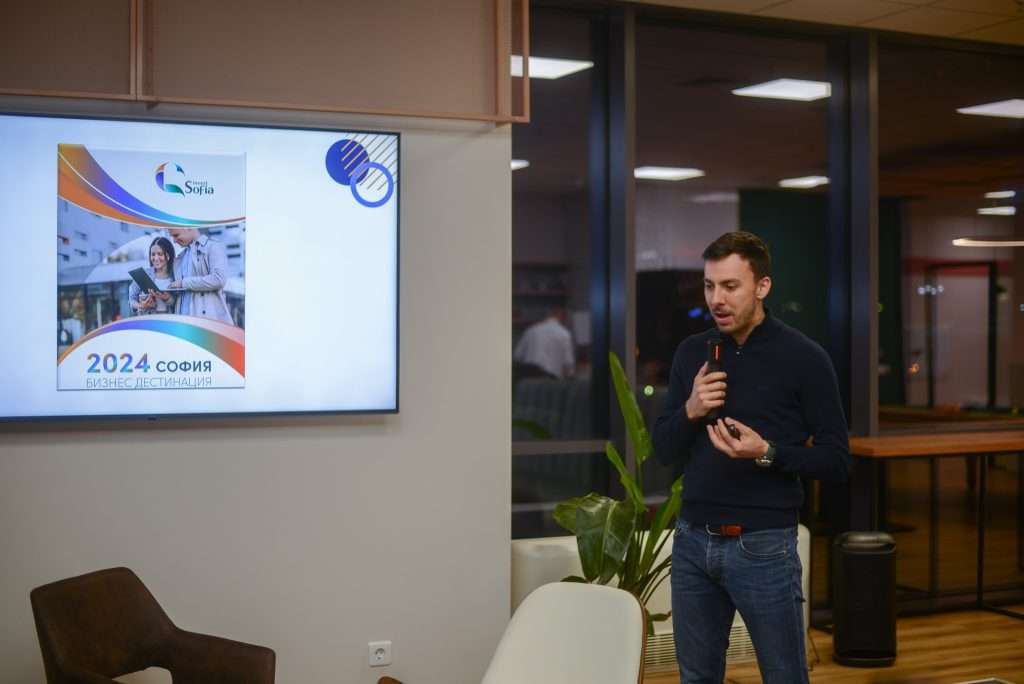
On January 30, 2025, Work&Share kicked off its inaugural “Battle of the Month” event, diving into one of the hottest topics in the modern workplace: Work from Home vs. Return to the Office. The event brought together thought leaders, entrepreneurs, and professionals to discuss the evolving dynamics of remote work, hybrid models, and the future of coworking spaces.
In this blog post, we’ll explore the key takeaways, debunk common myths, and uncover insights that can help businesses navigate the changing landscape of work.
Why Work&Share Exists: The Power of Community in the Workplace
At the heart of Work&Share’s mission is a simple yet powerful idea: to create spaces where innovative companies can thrive. It’s not just about offering coworking spaces; it’s about building a community that fosters collaboration, creativity, and growth.
Interestingly, Work&Share has generated more business through community-driven connections than traditional real estate ventures—proving that coworking spaces are more than just a trend; they’re the future of work.
Work from Anywhere: Redefining the Debate Beyond Work from Home vs. Return to the Office
While the debate started with Work from Home vs. Return to the Office, the conversation quickly shifted to a more flexible concept: Work from Anywhere. Whether it’s a cozy home office, a coworking space, or a seaside retreat, flexibility is the key to productivity in today’s work environment.
1. Productivity: Does Location Really Matter?
Key Insights:
• Role-Dependent Productivity: Some jobs require physical presence (e.g., hospitality, event management), while others thrive in remote settings.
• Focus vs. Collaboration: Remote work offers deep focus, while offices foster spontaneous collaboration—both essential for different tasks.
• Data-Driven Decisions: A lot of companies have discovered that productivity fluctuates depending on factors like industry, season, and work style.
In creative industries, especially software development, flexibility enhances productivity. When employees control when and how they work, they become better problem solvers—a crucial asset in fast-paced environments.
2. Collaboration & Company Culture: Why Human Connection Still Matters
Key Insights:
• The Role of Coworking Spaces: Beyond flexible desks, coworking spaces create communities that foster connection, innovation, and collaboration.
• The Hybrid Advantage: While virtual meetings are efficient, nothing beats the energy of face-to-face interactions for brainstorming and team bonding.
• Post-Pandemic Shifts: Many employees return to the office not just for work, but for social interaction, community, and a sense of belonging.
Coworking spaces like Work&Share play a crucial role in bridging the gap between remote work and traditional offices, offering flexible environments that foster both productivity and community.
3. Compensation Models: Rewarding Results, Not Hours
The future of work compensation is shifting from time-based models to outcome-based performance. Companies are starting to realize that it’s not about where you work, but what you deliver.
Key Takeaways:
• Results-Driven Compensation: Employees should be rewarded for their output, not the hours spent at a desk.
• Process vs. Innovation: Companies that focus solely on rigid processes risk stifling innovation. Agile, flexible environments encourage creativity and problem-solving.
4. The Future of Workspaces: More Human, More Flexible
What will the office look like in 10 years? The consensus is clear: it won’t be just about desks and chairs.
Future Trends:
• Tech-Enhanced Spaces: Offices will become more technologically advanced to streamline operations and improve the employee experience.
• Community-Centric Design: Offices will evolve into hubs for collaboration, creativity, and connection—not just places to clock in and out.
• Hybrid Work Models: The future isn’t Work from Home or Return to the Office —it’s both. Flexible work arrangements are here to stay.
5. The Rise of the 4-Day Workweek: A New Frontier in Flexibility
The debate around remote work naturally extends to flexible schedules, including the increasingly popular 4-day workweek.
Key Insights:
• Work-Life Synergy: Productivity isn’t tied to a rigid 9-to-5 schedule. People thrive when they have autonomy over their time.
• Coworking’s Role: Flexible coworking spaces support diverse work styles, offering 24/7 access for those who prefer non-traditional hours.
Debunking the Myths: What We Learned from the Event
Myth #1: You can’t be productive while working remotely.
Reality: Many professionals are thriving in remote roles, thanks to flexible environments like coworking spaces.
Myth #2: Returning to the office is outdated and unnecessary.
Reality: In-person collaboration fosters creativity, innovation, and strong team dynamics—especially in hybrid models.
Myth #3: Coworking spaces are just a passing trend.
Reality: Coworking spaces are thriving ecosystems that support business growth, networking, and community-building.
Final Thoughts: It’s Not About Choosing Sides—It’s About Finding Balance
Our first “Battle of the Month” event proved that the future of work isn’t a binary choice between Work from Home and Return to the Office. It’s about flexibility, adaptability, and creating environments where people can do their best work—wherever that may be.
As Work&Share continues to explore the evolving world of work, one thing is clear: the future belongs to those who embrace change, foster community, and prioritize well-being.
Two locations in Sofia — Tintyava in Dianabad and Synergy in Sofia Tech Park. Flexible desks, dedicated desks, private offices and meeting rooms.
Book a free trial day →
Leave a Reply